


Tuesday 28th of May 2024
Taking out a loan is a practical solution for meeting financial needs. However, the loan applicat
...ion can only be accepted if the borrower can repay...


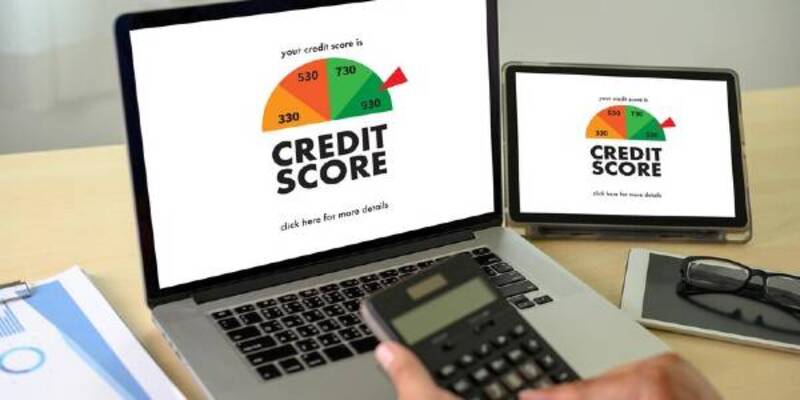
Taking out a loan is a practical solution for meeting financial needs. However, the loan application can only be accepted if the borrower can repay the debt. Lenders determine the borrower's eligibility by checking their credit score, which displays their creditworthiness. It helps identify whether they are a reliable prospect for lending money or not. Businesses, like individuals, also need a credit score to secure funding for starting up or growth. Since financing is essential for the entity, entrepreneurs must improve their credit scores.
The business credit score is generated for an organisation by a credit reporting agency to showcase its financial standing. The country's most prominent credit reporting agencies include Dun & Bradstreet, Experian and Equifax. While the latter has a score range of -200 to 1200, the remaining two follow the range of 0 to 100. According to Dun & Bradstreet, maintaining a score between 80 and 100 is good for businesses looking for hassle-free loans. Here is everything you need to know about a good business credit score and its improvement. It will help you secure funding with ease.

Business credit score offers a peek into the credit history of the entity. The figure helps the moneylender evaluate the level of risk associated with the lending. It is also known as the credit rating of the venture. Entrepreneurs should know this score to understand their probability of getting financed.
A positive business credit score ensures easy lending from banks, which are usually sceptical about financing high-risk businesses. It also helps get a lower interest rate and favourable repayment terms. Conversely, a negative business score indicates the inability of the entity to repay its debts on time and it can deter banks from approving the loan. In such cases, entrepreneurs have to rely on bootstrapping, venture capital or government funding if they are looking for business opportunities in Melbourne.
The business credit score is calculated by assessing various metrics, such as years of operation, business size, number of credit inquiries, current debts, commercial credit data about defaults and judgements, credit utilisation data, etc. Entrepreneurs can get their scores generated from any of three reputed credit reporting agencies in Australia by providing their lending history. They evaluate the debts, repayment history, defaults, legal filings, etc.
The business credit score is not confidential and can be accessed by anyone. The business credit report provides an insight into the financial history of the entity and its subsidiaries or parent companies. It has details of business assets provided by the Personal Property Securities Register (PPSR). Thus, entrepreneurs looking for a business for sale Melbourne must check the credit score before acquisition to ensure a profitable deal.
A good business credit score falls in the upper segment of the range used by credit reporting agencies. According to Dun & Bradstreet, any venture with a credit score above 80 is a low-risk entity for lending, as they use the 0 to 100 range. For Experian, a good business credit score lies above 75 in the range of 0 to 100.
Equifax offers a good credit score to businesses with a credit score between 661 and 734. It offers a very good score to those with a credit score between 735 and 852 and an excellent score to those with a credit score between 853 and 1200. Moneylenders request credit ratings from the bureau for a business seeking a loan. The bureau provides the score for a fee.

Businesses must maintain a good credit score to get funded and build a reputation in the industry. It helps to strengthen its position as a dependable entity that suppliers and vendors can trust. Thus, the business can get stock at lower rates from established vendors because of their high creditworthiness.
Also, when aspiring entrepreneurs purchase businesses for sale in Melbourne, they check their credit scores. It is vital for securing funds in the future for expansion. Creditworthy entities can get their loans approved faster through quick approvals. Thus, the business can grow without any financial obstacles with the help of loans and investors.
Businesses must avoid financial pitfalls that can impact their credit scores. These include missing or delaying their monthly debt repayments. Entrepreneurs who cannot repay their debts can apply for bankruptcy, but it is not good for their business credit score.
The score can also decrease if the business owner has applied for loans at various financial institutions. They will look at the current debt level and payment history and whether the business can manage them effectively. They will scrutinise all types of loans, such as business credit cards and lines of credit. Another factor affecting the score is the risk level associated with the industry and business.
Bookkeepers can help a business maintain a good credit score by paying bills on time without incurring late fees. They advise entrepreneurs to use borrowed money effectively to boost the credit utilisation ratio. The business should have a manageable amount of debt and different types of credit to keep the score high. They must follow lean business practices to keep the costs low and productivity high.
Entrepreneurs who purchase Melbourne businesses for sale must monitor their credit reports and record credit bills. In addition, they must have excellent rapport with vendors, suppliers, and partners who can offer loans on favourable terms without hassle. It is easier to manage these loans as they can be repaid without defaults.
Business loans are of two types - secured and unsecured. The latter is offered by financial institutions after reviewing the financial history of the entity and is smaller in amount. On the other hand, secured business loans allow the entrepreneurs to borrow a big amount but they have to provide collateral, such as property, vehicle, inventory, etc.
Therefore, business credit score is not the only factor considered during loan approval. Moneylenders assess the financial capabilities, projections and value of the assets offered as collateral.
Wrapping Up
Businesses need capital at every stage of their development. Moneylenders must ensure that they are offering credit to entrepreneurs who can repay it without delay or dispute. Thus, the business credit score becomes a significant metric of eligibility.

Starting or acquiring a small business in Australia can be a rewarding entrepreneurial decision. However, it requires managing multiple responsibilities...

Calculating the business goodwill is one of the most crucial steps when planning to sell your business in the competitive Australian business market....









Business2Sell is one of the biggest and trusted marketplaces for buying and selling businesses in Australia. With thousands of buyers and sellers visiting the site every day, it offers wider reach and extensive opportunities. Whether you are an aspiring entrepreneur, investor, or seller, you will find what you are looking for right here.


